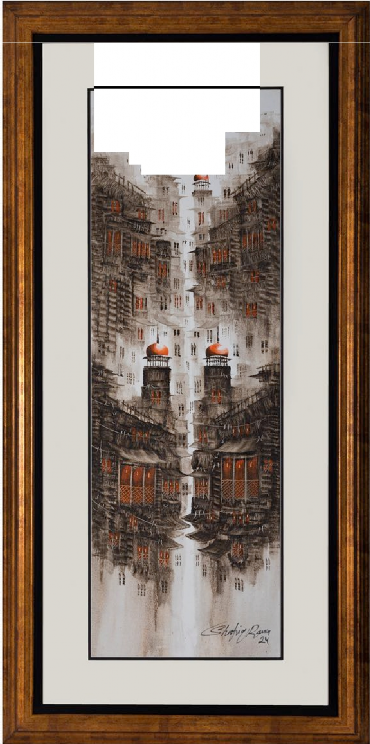
M. Shafique Rana
A self-taught artist Shafique Rana started painting at the age of 9. He explored different techniques and art forms using oil , watercolor, charcoal and palate knife . His love for calligraphy and historical monuments is currently showcased in his artworks.

Check out Other Artists
Naqsh Art represents a diverse roster of Pakistani artists
M. Kazim
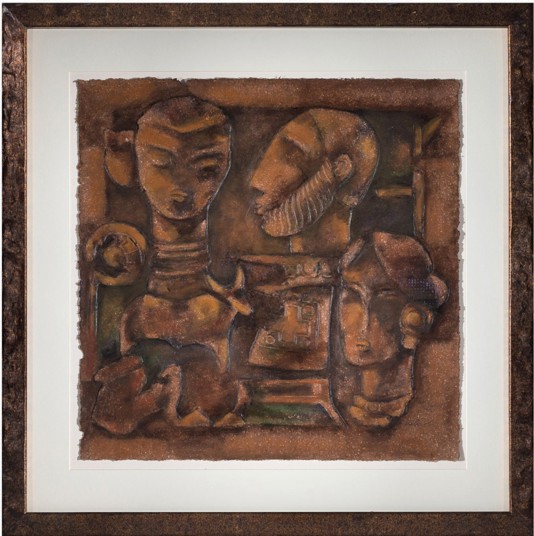
The late Mohammad Kazim was a renowned painter, printmaker and calligrapher. Kazim gained popularity for his Indus Valley and Mohenjo-Daro series of artworks and his depictions of women from that era. He would mold the figures with his hands using mulmul cloth and handmade paper and vegetable dyes. The figures would almost protrude in a 3D effect while the colors would be textured in soft hues.
Noreen Akhtar
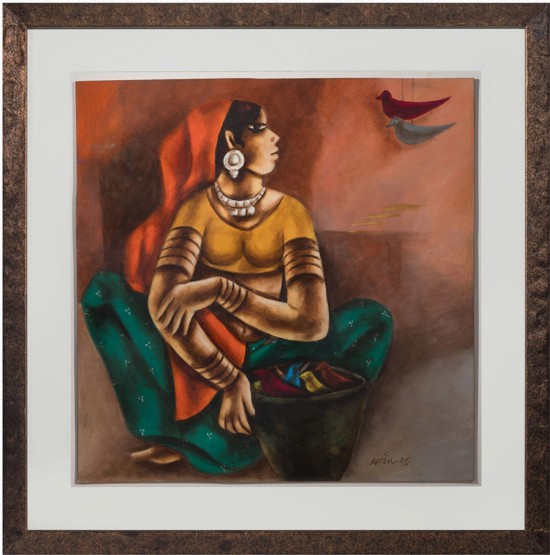
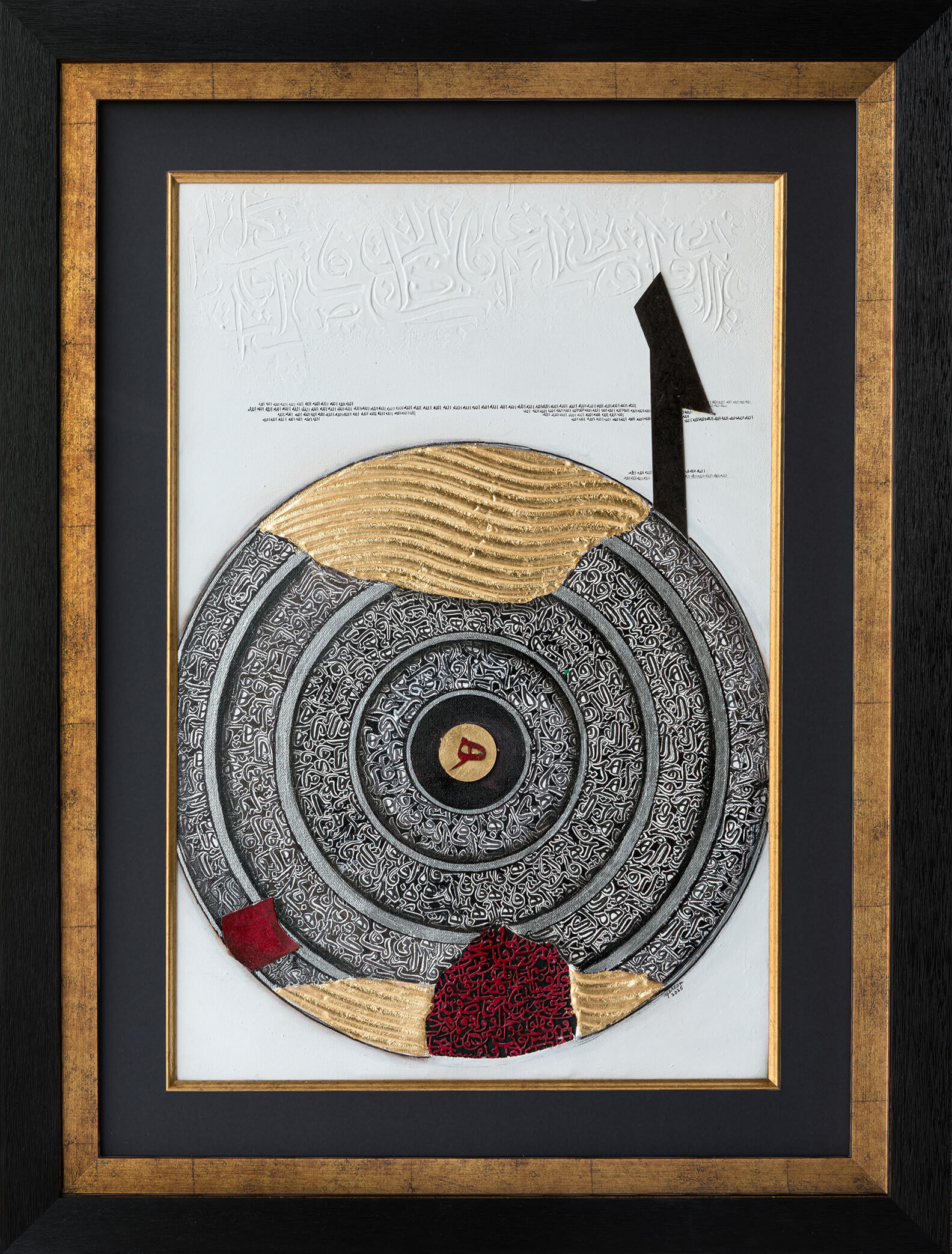
Noreen’s artworks are inspired by the Arabic Language. Her “Alif” series artworks highlight the importance of Alif, the first letter of the Arabic alphabet, concept of oneness, the first existence, the beginning of all things and is symbolic of God’s absolute oneness. The shape of Alif resembles the numeral 1 reinforcing the concept of God’s unity and the concept of ‘the one’. Noreen uses letters from the Arabic alphabet in abstract form and each of her series isolates and highlights one particular alphabet.

Wassi Haider
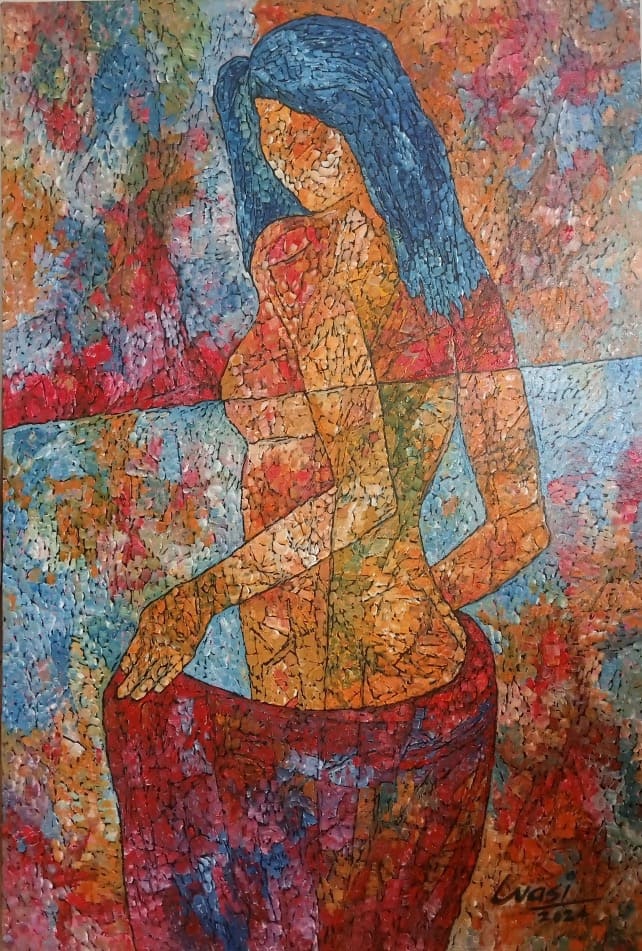
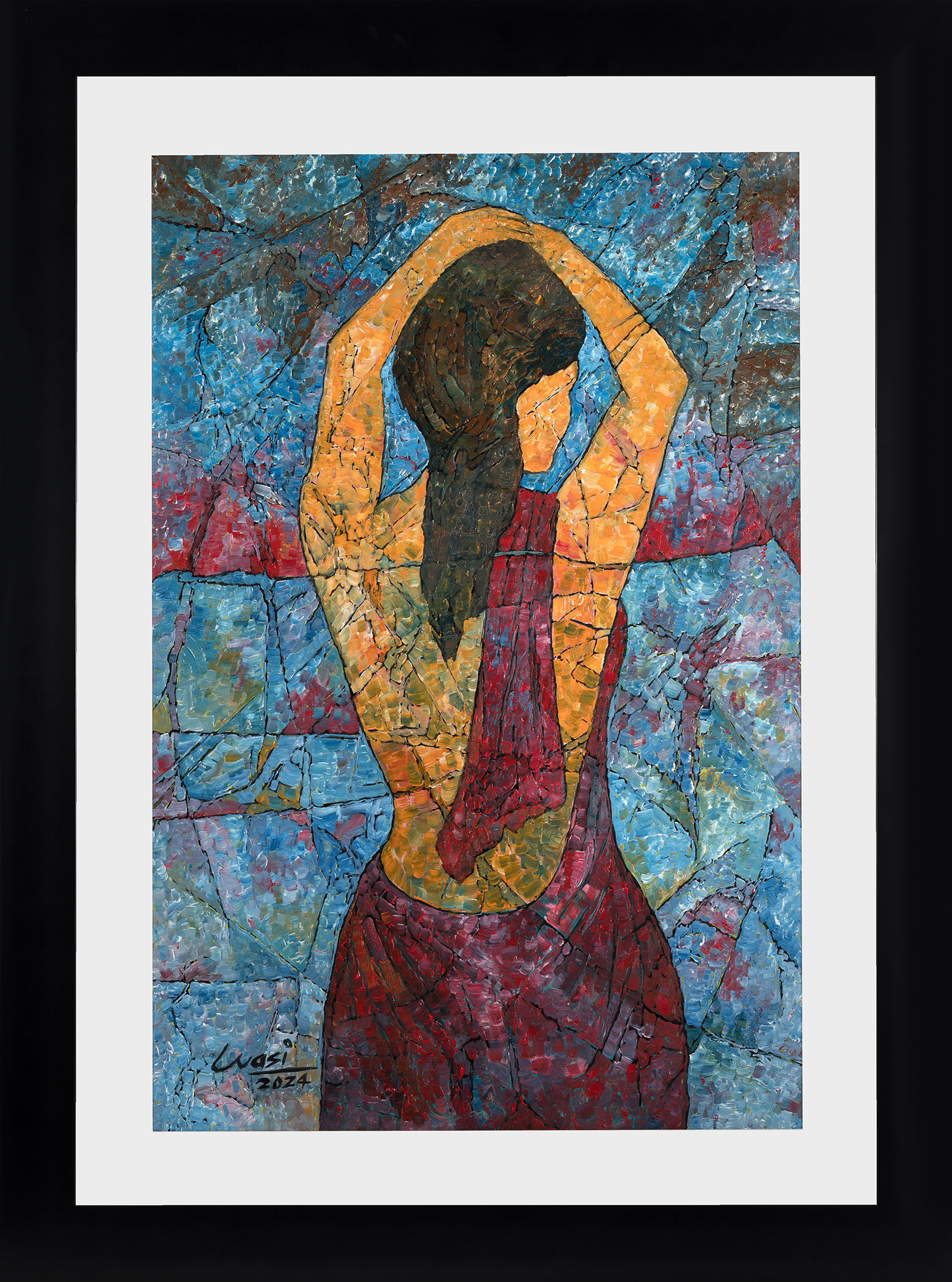
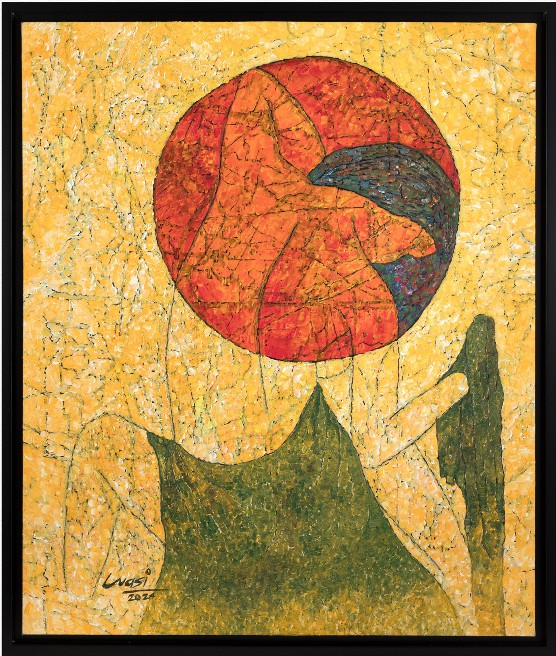
Wassi Haider is a prominent artist with over 45 years of experience in fine arts. His passion for painting is to better understand and explore the hidden myth within himself.
Sadaf Farasat
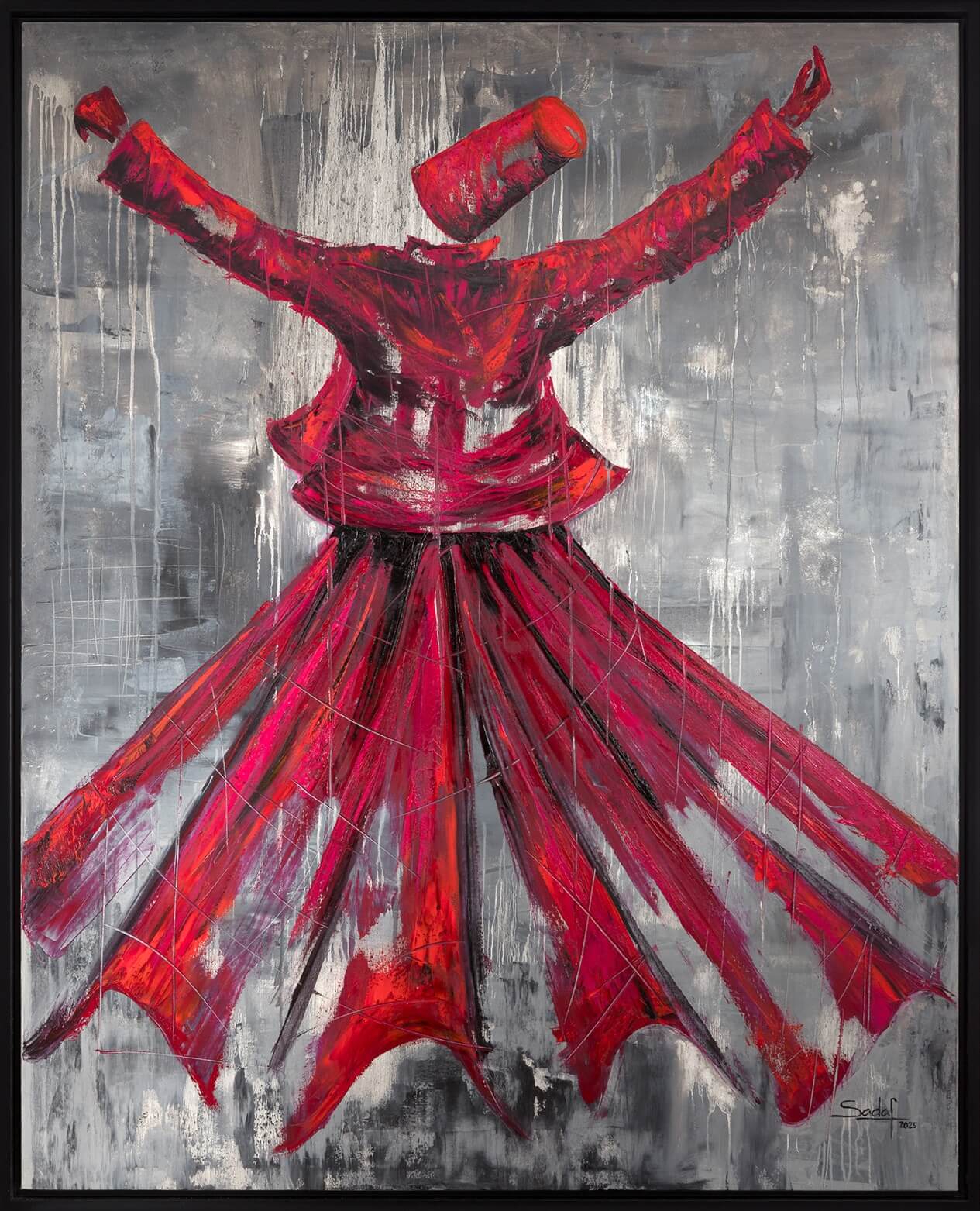
Sadaf Farasat’s paintings revolve around Sufism and are influenced by Rumi’s poetry exploring mysticism and devotion. Her artworks usually depict twirling dervishes, depicting movement, exploring the purpose of existence, searching for divine love and through the journey of life. The smooth yet powerfully assertive motion of the twirling dervishes reflect the cycle of pain and pleasure. Sadaf explores the mystical traditions of various cultures and renders them masterfully on larges canvas using bright colors.
Ready to Experience the Art of Naqsh?
Here to help with any question. Have something else to ask?