S.M.Naqvi
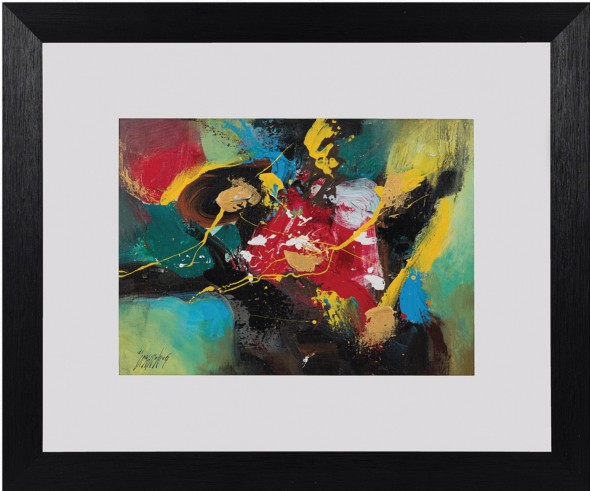
S.M. Naqvi acquired his diploma in graphic designing from the Mashkoor Art School and was awarded the Quaid e Azam award. He has also studied art under the renowned Pakistani artist Iqbal Mehdi. Naqvi’s artworks demonstrate intensity of colors and bold strokes in abstract form. The artist aims to stir the inner soul and connects the viewer not just to the beauty of human experience in its existence but also what lies beyond the vision. In his artworks, he alters colors and forms to achieve total abstraction that bears no relation to anything recognizable. The outcome is an explosion of technique and color.

Check out Other Artists
Naqsh Art represents a diverse roster of Pakistani artists
Dawood
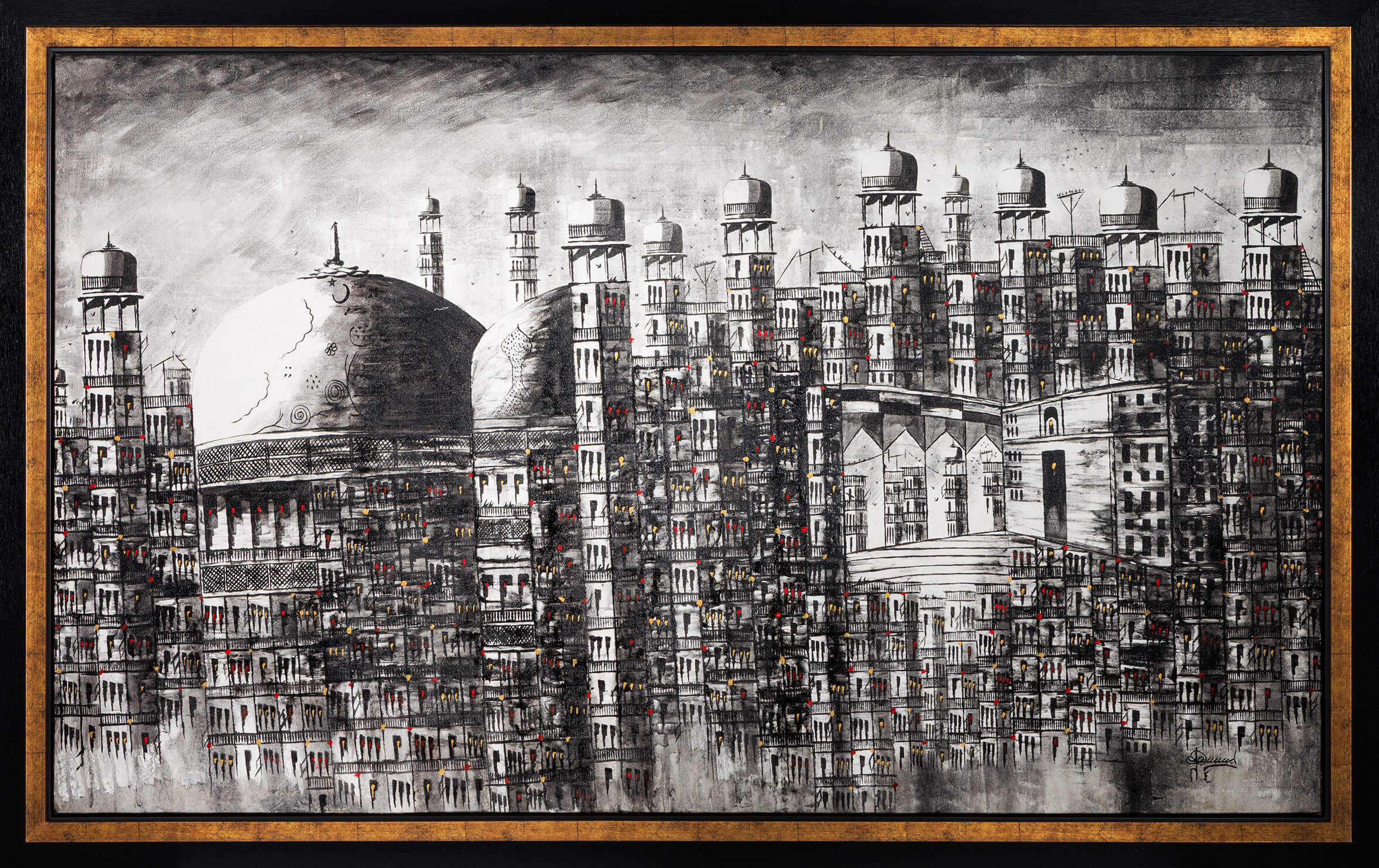
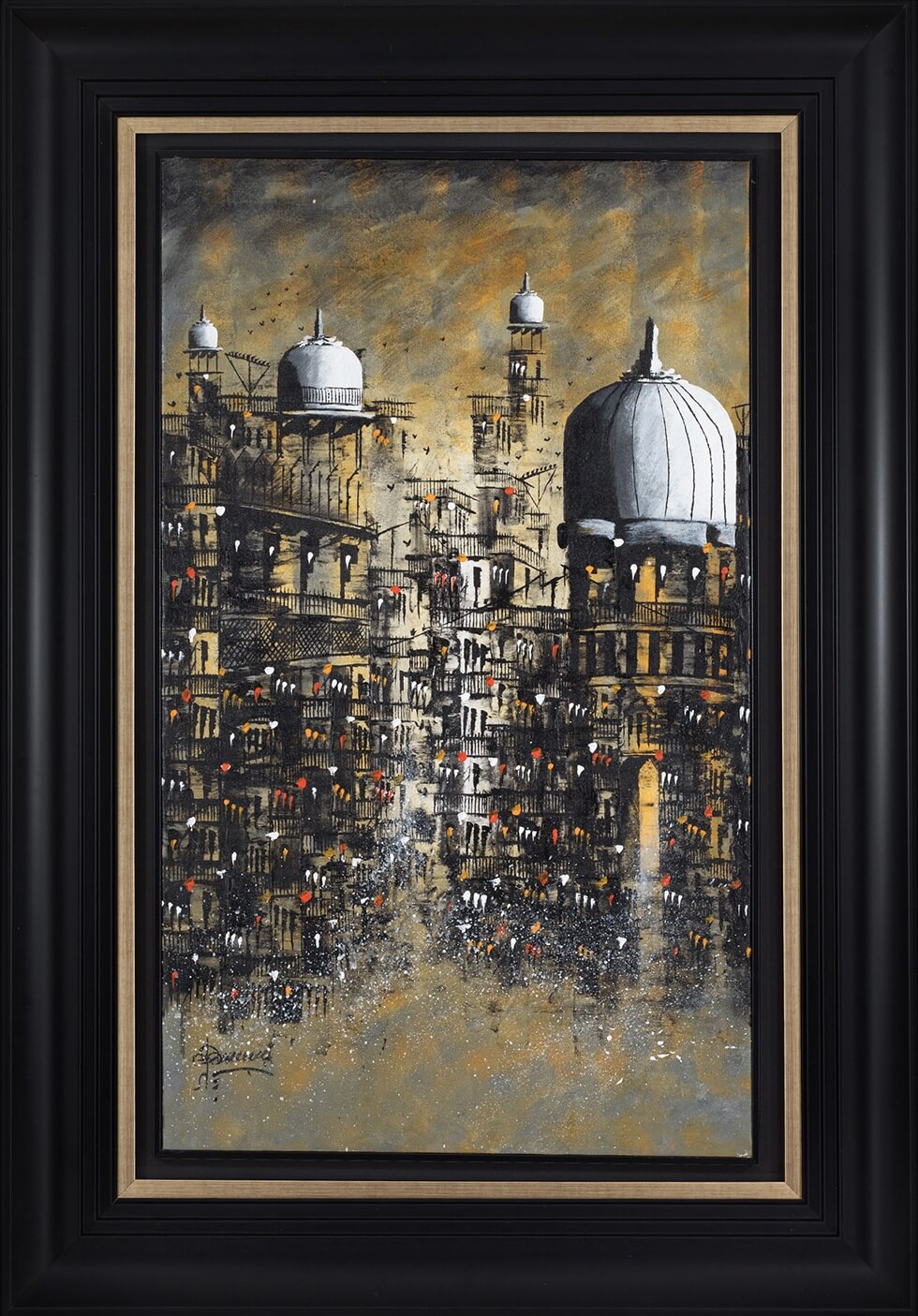
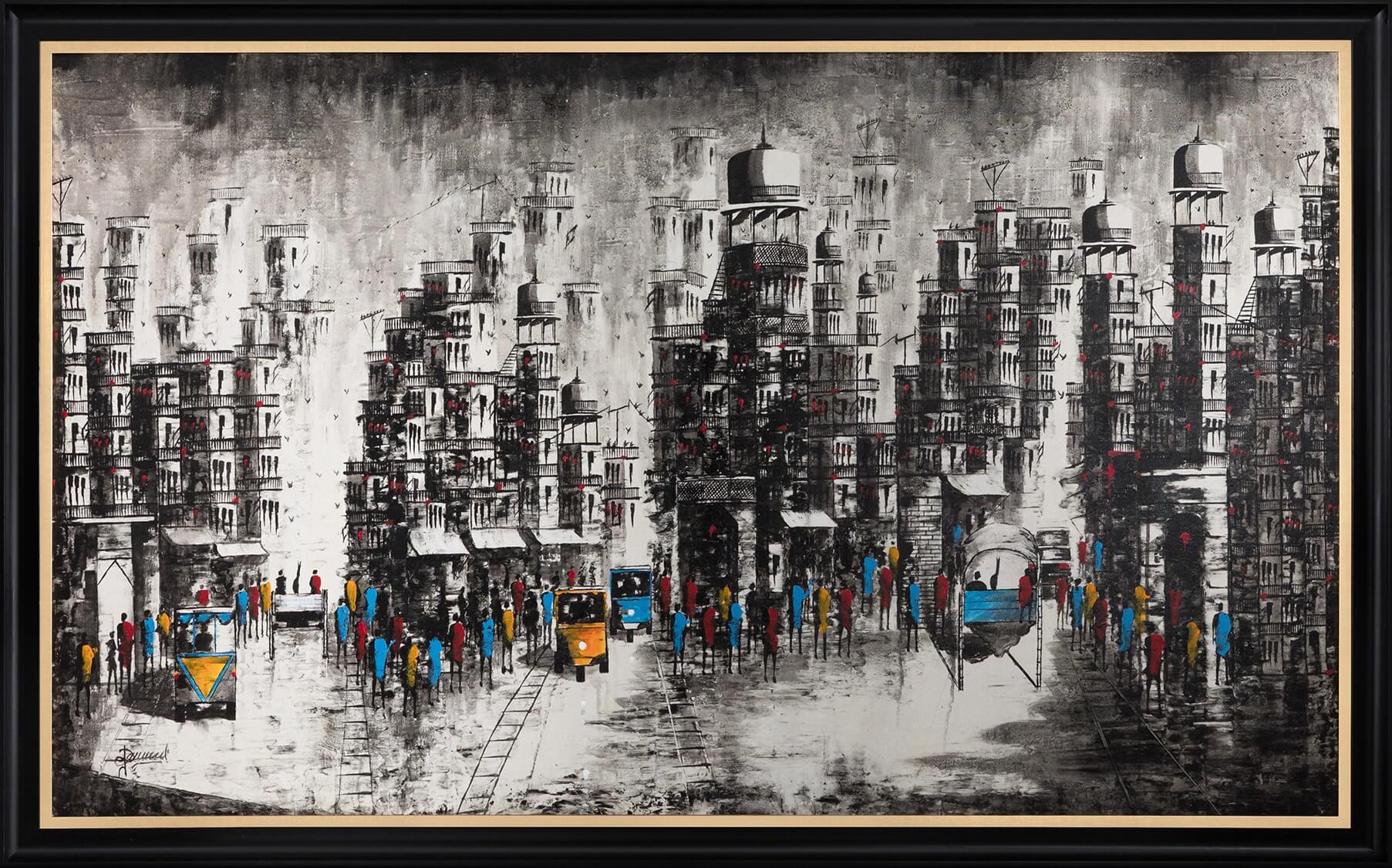
Dawood explores Islamic landscapes in his artworks. His minarets and domes in landscape and portrait formation with minute detailing command attention. The starkness of black and white with specks of color, in his artworks, command viewers attention.
M. Kazim
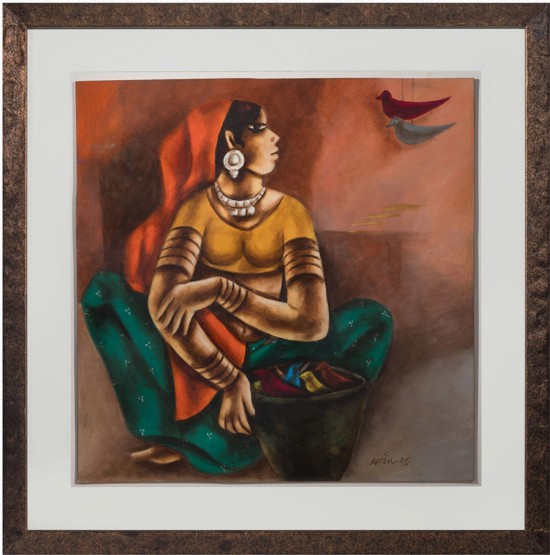
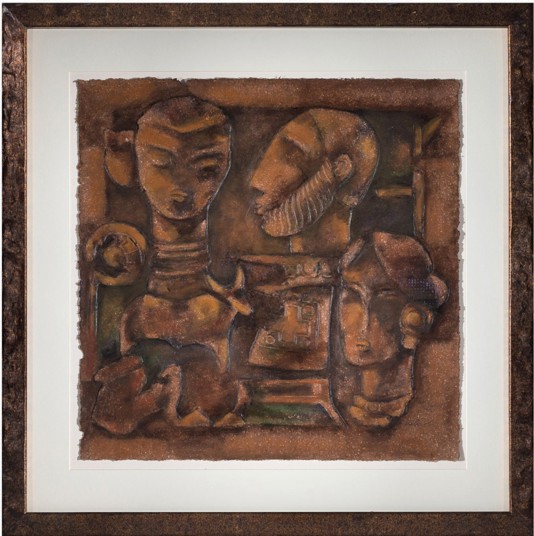
The late Mohammad Kazim was a renowned painter, printmaker and calligrapher. Kazim gained popularity for his Indus Valley and Mohenjo-Daro series of artworks and his depictions of women from that era. He would mold the figures with his hands using mulmul cloth and handmade paper and vegetable dyes. The figures would almost protrude in a 3D effect while the colors would be textured in soft hues.
Wajid Ali
Wajid Ali is an artist hailing from Sukkur, Sind. A self taught artist, he has won acclaim for his Divided Soul series where he explores the tension between the two personas within us, one which is our authentic self and a false one which we portray to the outside world.


M.A. Bukhari
Mohammad Ali Bukhari is a renowned artist specializing in landscapes, calligraphy and abstract compositions. He attended the Karachi School of Art and during his training at the Albuman School of Arts in Rome, he seamlessly transitioned into impressionism. During a short association with the Late Ismail Gulgee, Bukhari adapted to the use of colors and strokes in a style

Ready to Experience the Art of Naqsh?
Here to help with any question. Have something else to ask?